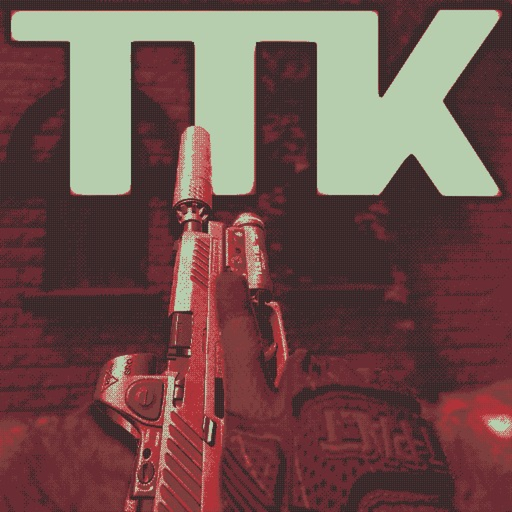
TTK Testing Weapons Guide with Verified Evidence Limits
Use this TTK Testing weapons guide to understand confirmed gunplay controls and roles while avoiding an invented roster, stats table, or outdated loadout list.
Use this TTK Testing weapons guide to understand confirmed gunplay controls and roles while avoiding an invented roster, stats table, or outdated loadout list. This page gives you a practical route through weapon evaluation without manufacturing a roster or numerical statistics.
Evidence note: Community video titles can show particular weapons, yet they are not sufficient to certify a complete current list.
The strongest verified anchor is simple: Official material confirms gunplay controls and planned gunplay improvements but does not publish a current complete weapon roster or stat sheet. The rest of the page keeps update-sensitive details visible as checks instead of turning them into permanent claims.
This archived video is useful as a visual companion. Compare its menus and behavior with your live server instead of treating the recording as current patch notes.
A complete current weapon roster is not verified
This part of the guide focuses on weapon evaluation without manufacturing a roster or numerical statistics. Official material confirms gunplay controls and planned gunplay improvements but does not publish a current complete weapon roster or stat sheet. That gives you a dependable starting point, but it does not remove the need to read the current interface. TTK Testing is explicitly an early test, so a useful player habit is to notice what the live build shows before copying a route from an older clip.
For “A complete current weapon roster is not verified,” begin with the smallest decision you can verify. Check the visible prompt, mode label, menu, or metric that applies, then change only one variable. This keeps your observation useful. If you alter controls, graphics, loadout, route, and server at the same time, you will not know which change produced the result.
Community video titles can show particular weapons, yet they are not sufficient to certify a complete current list. The practical response is not to fill the gap with confidence. Mark the unknown, explain what would prove it, and continue with the parts that are observable. That approach is especially important after updates, when a familiar-looking screen can keep old labels while behavior underneath it has changed.
A good check has three pieces: the exact build or review date, the condition you tested, and the result you could see. Keep claims narrow. One server can show that something happened there; it cannot prove a universal rule. Repeating the same check after a new title tag or update is more valuable than defending an undated community claim.
Use a complete current weapon roster is not verified as a decision point rather than a trivia answer. Ask what you should do next, what warning would make you stop, and which official surface can settle the question. This keeps the page useful for PC, mobile, Xbox, and PS5 players even when device prompts or presentation differ.
Build decisions around handling, not guessed stats
This part of the guide focuses on weapon evaluation without manufacturing a roster or numerical statistics. Official material confirms gunplay controls and planned gunplay improvements but does not publish a current complete weapon roster or stat sheet. That gives you a dependable starting point, but it does not remove the need to read the current interface. TTK Testing is explicitly an early test, so a useful player habit is to notice what the live build shows before copying a route from an older clip.
For “Build decisions around handling, not guessed stats,” begin with the smallest decision you can verify. Check the visible prompt, mode label, menu, or metric that applies, then change only one variable. This keeps your observation useful. If you alter controls, graphics, loadout, route, and server at the same time, you will not know which change produced the result.
Community video titles can show particular weapons, yet they are not sufficient to certify a complete current list. The practical response is not to fill the gap with confidence. Mark the unknown, explain what would prove it, and continue with the parts that are observable. That approach is especially important after updates, when a familiar-looking screen can keep old labels while behavior underneath it has changed.
A good check has three pieces: the exact build or review date, the condition you tested, and the result you could see. Keep claims narrow. One server can show that something happened there; it cannot prove a universal rule. Repeating the same check after a new title tag or update is more valuable than defending an undated community claim.
Use build decisions around handling, not guessed stats as a decision point rather than a trivia answer. Ask what you should do next, what warning would make you stop, and which official surface can settle the question. This keeps the page useful for PC, mobile, Xbox, and PS5 players even when device prompts or presentation differ.
| Checkpoint | What to verify | Safe response |
|---|---|---|
| Control response | Aim, fire, swap, reload feedback | Compare under similar conditions |
| Sight picture | Visibility and optic behavior | Check Transparent Optics separately |
| Role | Close, flexible, or lane-focused use | Base it on live handling, not a label |
| Availability | Visible in current loadout or spawn | Do not assume an old video remains current |
Use controls to test a weapon consistently
This part of the guide focuses on weapon evaluation without manufacturing a roster or numerical statistics. Official material confirms gunplay controls and planned gunplay improvements but does not publish a current complete weapon roster or stat sheet. That gives you a dependable starting point, but it does not remove the need to read the current interface. TTK Testing is explicitly an early test, so a useful player habit is to notice what the live build shows before copying a route from an older clip.
For “Use controls to test a weapon consistently,” begin with the smallest decision you can verify. Check the visible prompt, mode label, menu, or metric that applies, then change only one variable. This keeps your observation useful. If you alter controls, graphics, loadout, route, and server at the same time, you will not know which change produced the result.
Community video titles can show particular weapons, yet they are not sufficient to certify a complete current list. The practical response is not to fill the gap with confidence. Mark the unknown, explain what would prove it, and continue with the parts that are observable. That approach is especially important after updates, when a familiar-looking screen can keep old labels while behavior underneath it has changed.
A good check has three pieces: the exact build or review date, the condition you tested, and the result you could see. Keep claims narrow. One server can show that something happened there; it cannot prove a universal rule. Repeating the same check after a new title tag or update is more valuable than defending an undated community claim.
Use use controls to test a weapon consistently as a decision point rather than a trivia answer. Ask what you should do next, what warning would make you stop, and which official surface can settle the question. This keeps the page useful for PC, mobile, Xbox, and PS5 players even when device prompts or presentation differ.
Use this short live-build checklist:
- Check the current weapon-selection interface.
- Write down the exact displayed name.
- Avoid copying damage numbers from another build.
- Separate cosmetic presentation from gameplay effect.
Record only what the live build actually shows
This part of the guide focuses on weapon evaluation without manufacturing a roster or numerical statistics. Official material confirms gunplay controls and planned gunplay improvements but does not publish a current complete weapon roster or stat sheet. That gives you a dependable starting point, but it does not remove the need to read the current interface. TTK Testing is explicitly an early test, so a useful player habit is to notice what the live build shows before copying a route from an older clip.
For “Record only what the live build actually shows,” begin with the smallest decision you can verify. Check the visible prompt, mode label, menu, or metric that applies, then change only one variable. This keeps your observation useful. If you alter controls, graphics, loadout, route, and server at the same time, you will not know which change produced the result.
Community video titles can show particular weapons, yet they are not sufficient to certify a complete current list. The practical response is not to fill the gap with confidence. Mark the unknown, explain what would prove it, and continue with the parts that are observable. That approach is especially important after updates, when a familiar-looking screen can keep old labels while behavior underneath it has changed.
A good check has three pieces: the exact build or review date, the condition you tested, and the result you could see. Keep claims narrow. One server can show that something happened there; it cannot prove a universal rule. Repeating the same check after a new title tag or update is more valuable than defending an undated community claim.
Use record only what the live build actually shows as a decision point rather than a trivia answer. Ask what you should do next, what warning would make you stop, and which official surface can settle the question. This keeps the page useful for PC, mobile, Xbox, and PS5 players even when device prompts or presentation differ.
For the final check, open the official TTK Testing Roblox page and compare the current title, description, and interface with the dated statements above.
Frequently asked questions
What weapons are in TTK Testing?
A complete current official roster was not available in the evidence, so this page does not invent one.
Are community all-weapons videos reliable?
They can show a snapshot, but the date and build must match the live game before treating the list as current.
Does the game have weapon stats?
No official public stat table was verified for this guide.
How should I compare weapons?
Use consistent live conditions and compare handling, sight picture, role, and current availability.